







Predictive Maintenance for Zero-Emission Building Pathways: Where ROI Appears First
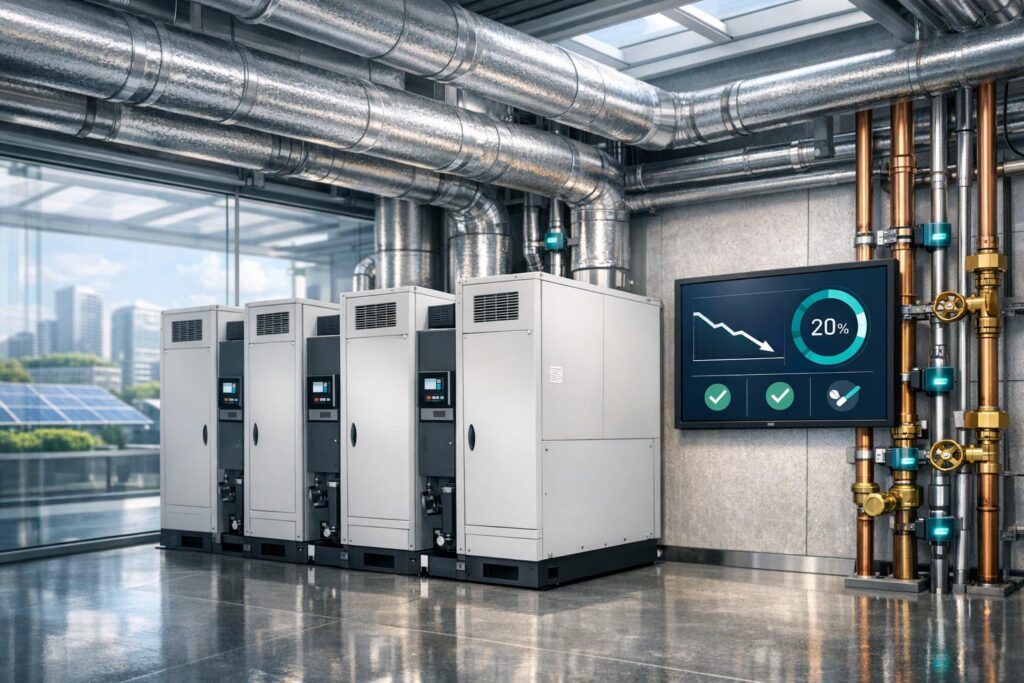
IoT and AI-powered predictive maintenance cuts building maintenance costs, trims HVAC energy 15–25%, reduces emergencies and speeds ROI.
Worst-Performing Buildings: How to Identify, Triage and Phase Investments Across a Portfolio
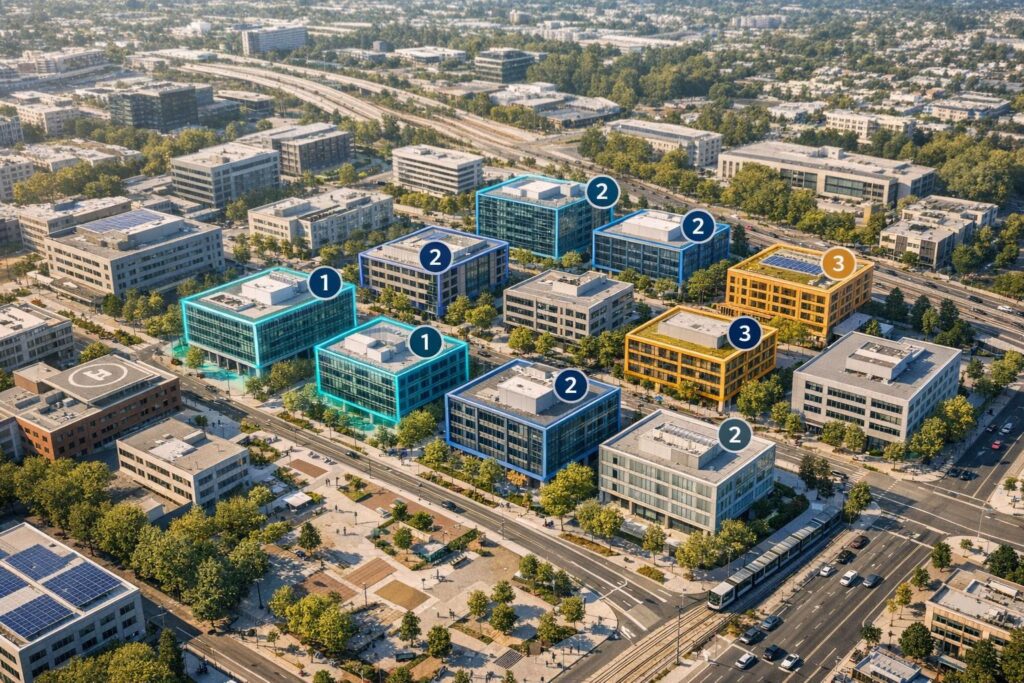
Five-step, data-driven method to find, prioritize and phase upgrades for underperforming buildings to cut costs, risks and emissions.
Asset Management Plan vs. Asset Investment Plan: What’s the Difference?
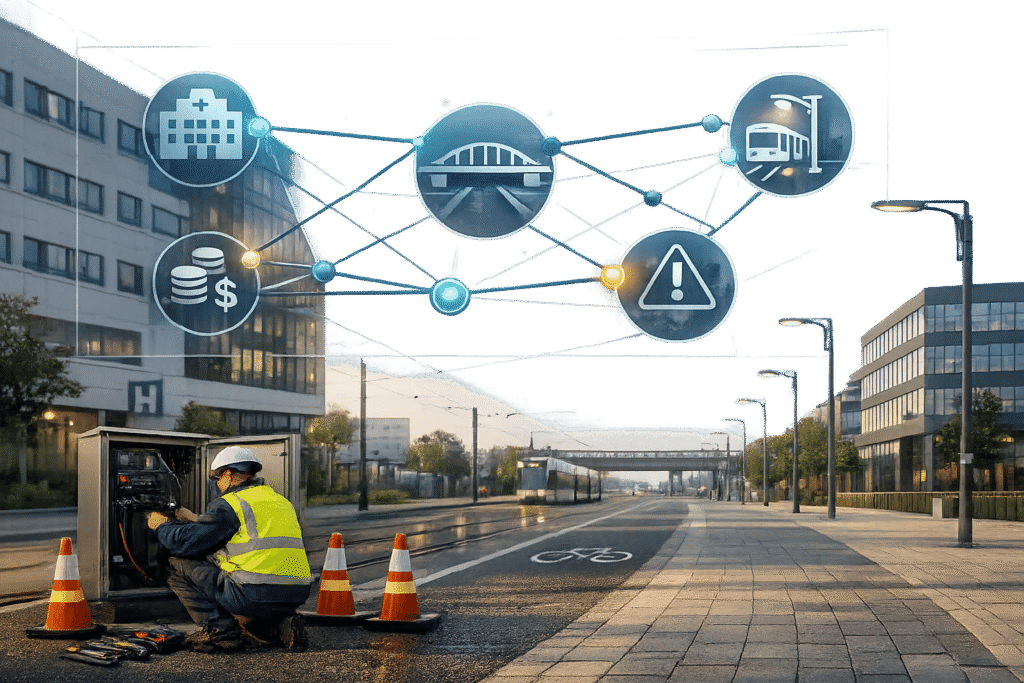
How AMPs and AIPs differ: AMPs manage daily lifecycle and maintenance; AIPs guide strategic capital allocation, risk prioritization, and portfolio optimization.
How to Finance Building Decarbonisation with Cohesion Funds, ETS2 and the Social Climate Fund

EU funding can close the building decarbonization gap by financing deep renovations, heat pumps, and targeted support for vulnerable households.
Why Predictive Maintenance ROI Fails to Materialise – and How to Fix It
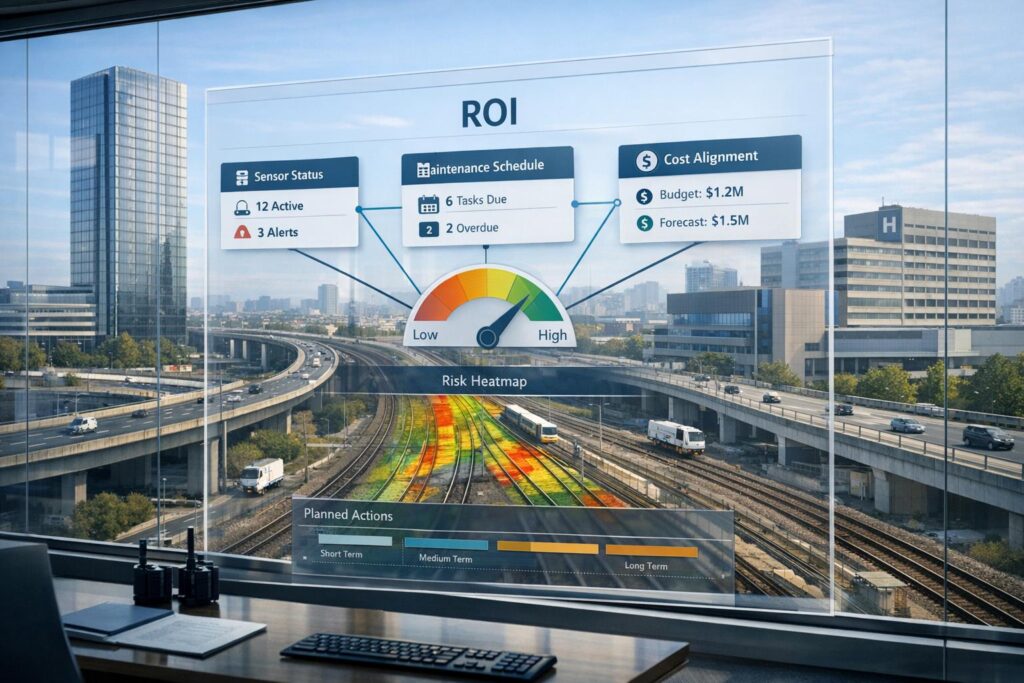
Why PdM misses ROI: misaligned goals, bad data, weak models, and siloed finance — how risk-based planning and centralized data restore measurable ROI.
National Building Renovation Plans: How to Turn Policy into a Portfolio Investment Strategy

Policy-driven renovation planning turns federal incentives and rules into portfolio investment strategies that cut costs, lower emissions, and ensure compliance.
Zero-Emission Buildings 2028 and 2030: How to Phase Your Investment Plan Now
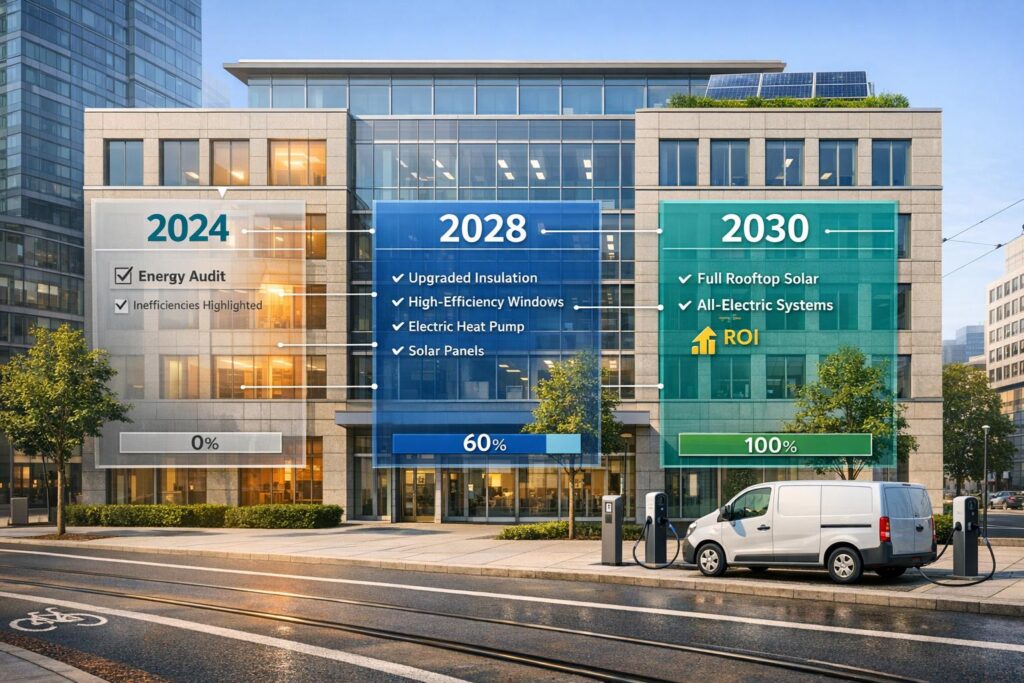
Phase investments now to meet 2028–2030 zero-emission rules: prioritize high-energy assets, electrify systems, analyze lifecycle ROI, and track progress.
Sustainable Investment Planning 101: How to Build a Portfolio-Wide Decarbonisation Roadmap
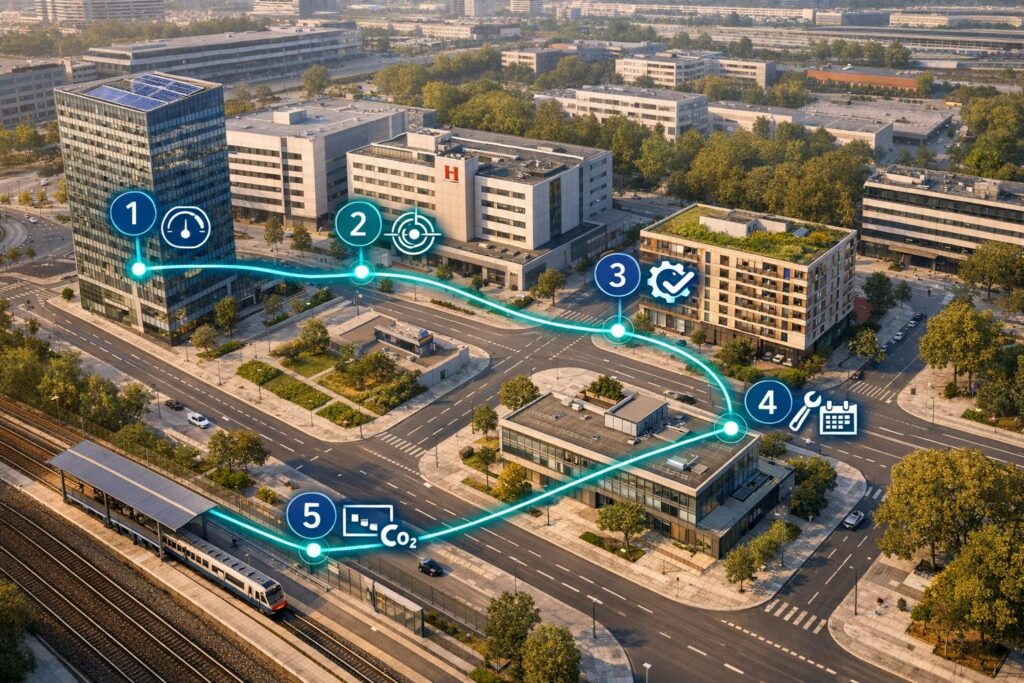
Roadmap to measure emissions, set science-based targets, prioritize cost-effective upgrades, schedule retrofits, and monitor portfolio decarbonization.
EPBD 2026: What the 29 May Transposition Deadline Means for Asset Owners
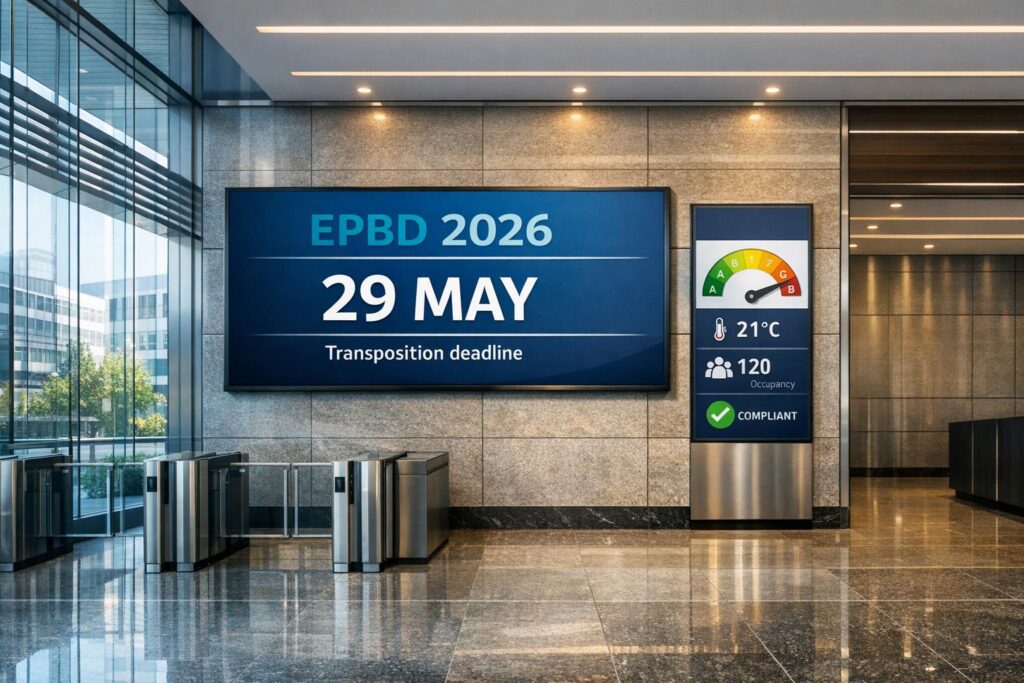
Explains the May 29, 2026 EPBD transposition deadline, key MEPS/BACS requirements, compliance risks, and practical renovation and investment steps.
Continuous Improvement Loops: How to Refresh Your Asset Investment Plan Every Year
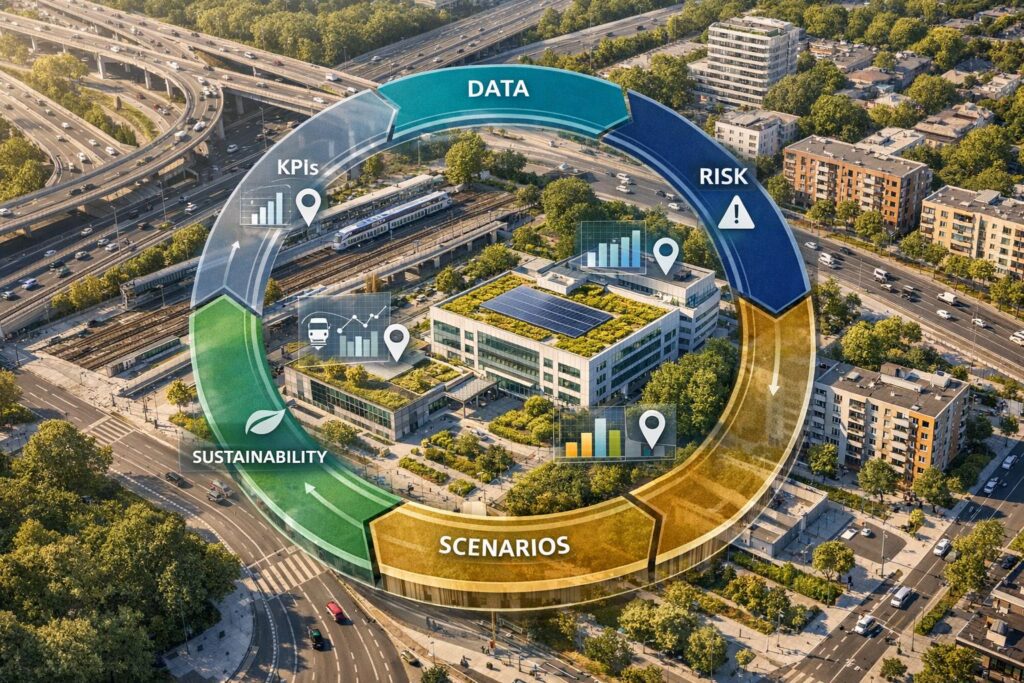
Refresh your asset investment plan yearly: centralize data, update risk models, run scenario simulations, align sustainability and measure results with KPIs.