


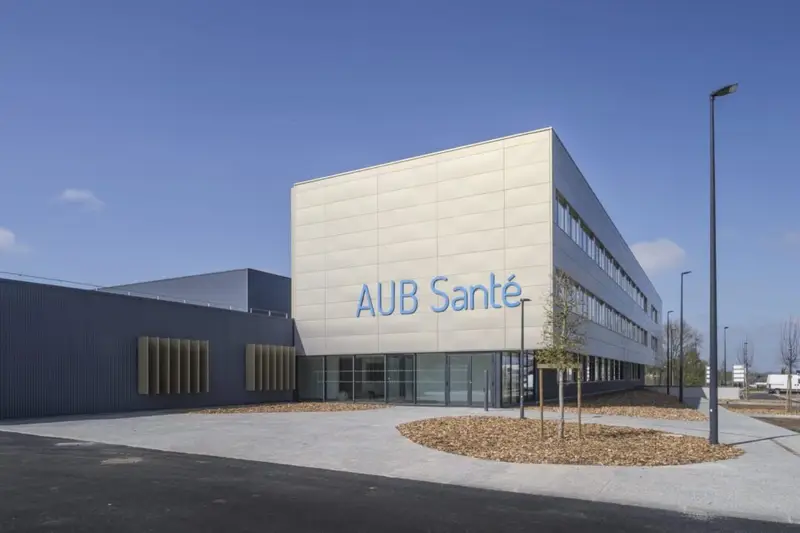
Context
AUB Santé is responsible for a very particular kind of estate: around thirty dialysis centres and units, where the building and its technical equipment are part of the conditions of care rather than a backdrop to it. The objective it set itself was to build a structured and reliable inventory of that estate, and to map both its condition and its energy performance on the same reference. On that base it wanted to define short, medium and long-term investment strategies in Simeo, and to hold objective evidence for an energy performance improvement trajectory across its sites.
Our solution
- 01 Collect and structure Gather and structure the asset data of around thirty dialysis centres and units, creating new component typologies for the equipment specific to dialysis.
- 02 Map and digitise Map the estate and digitise the building logbooks and the existing energy audits in Simeo, so condition and energy performance sit on one reference.
- 03 Compare strategies as scenarios Build and compare maintenance strategies as scenarios inside multi-year investment plans prioritised by risk.
- 04 Justify the priorities Identify investment needs across the short, medium and long term and justify the order in which works are programmed.
What Oxand delivered
A central and evolving asset register
One central database that brings together AUB Santé's asset data and keeps taking it on as the estate and its equipment change.
Indicators that communicate
Objective indicators for communicating and arbitrating investment needs, so technical teams and decision-makers discuss the same basis.
An investment trajectory for the dialysis units
A trajectory of investment plans for the dialysis units, with the energy trajectory visible alongside it rather than treated as a separate subject.
Prioritisation that can be defended
Investment needs identified and the order of works justified, so a programme can be explained and held to over thirty years.
Questions about this reference
What estate does the work with AUB Santé cover?
Around thirty dialysis centres and units belonging to AUB Santé, representing over 300,000 m² of floor area digitised in Oxand Simeo.
What did AUB Santé set out to do?
To build a structured and reliable inventory of its building estate and to map both its condition and its energy performance, so that short, medium and long-term investment strategies could then be defined in Simeo on an objective basis.
Why were new component typologies needed for dialysis buildings?
Because a dialysis centre contains technical equipment that a standard building repository does not describe. New typologies were created for it, so that this equipment is inventoried, assessed and programmed like any other component of the estate.
How are the multi-year investment plans prioritised?
By risk. Maintenance strategies are built and compared as scenarios inside multi-year investment plans, so the order of works follows the risk the components carry rather than the order in which requests arrive.
Does the work cover energy performance as well as condition?
Yes. The existing energy audits were digitised alongside the building logbooks, which gives AUB Santé objective evidence to define an energy performance improvement trajectory across its sites, read against the same reference as the condition of the estate.