


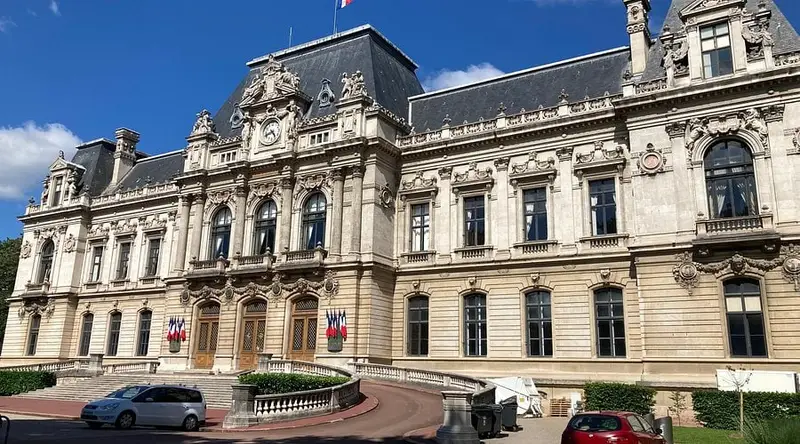
Context
The Conseil départemental du Rhône is responsible for a large and diverse property estate: more than 120 sites and some 260 buildings, of which 32 are public collèges, France's lower secondary schools. Years of sustained management of the service and a long run of completed projects mean the department already knows its estate well. The objective it set itself was to capitalise that knowledge inside a single tool, so that maintenance and investment choices could be prepared, argued and defended from one shared basis rather than reconstructed each time.
Our solution
- 01 Structure and capitalise Bring the knowledge the department already held about its estate into a single structured reference in Oxand Simeo.
- 02 Establish the performance picture Set out an objective, clear and uniform view of the estate and of its condition across more than 120 sites and some 260 buildings.
- 03 Simulate the scenarios Compare maintenance and investment scenarios over the short, medium and long term, weighing curative against preventive approaches.
- 04 Deploy with the teams Roll out Simeo for technical and asset management through training, use cases and an organisation and improvement note.
What Oxand delivered
A structured and digitised estate
One structured, digitised reference for the estate, so the knowledge built up across services and projects is held in a single place and stays usable.
Multi-year projections of need
Multi-year projections of maintenance needs, including a predictive scenario, that let the department look beyond the current budget year.
Indicators that communicate
Objective indicators the department can share with its stakeholders, so technical services and decision-makers discuss the estate on the same basis.
Decisions that hold up
A dynamic decision-support tool that gives programming choices objective and defensible grounds, rather than a report that ages from the day it is delivered.
Questions about this reference
What estate does the work cover?
The property estate of the Conseil départemental du Rhône: more than 120 sites and some 260 buildings, of which 32 are public collèges, France's lower secondary schools.
What did the Conseil départemental du Rhône set out to do?
To capitalise its existing knowledge of the estate inside Oxand Simeo. The department already knew its estate well after years of sustained management and many completed projects; the aim was to hold that knowledge in one tool so maintenance and investment choices could be prepared and defended from a shared basis.
Why capitalise knowledge in a tool when the estate is already well known?
Because knowledge that lives across services, projects and individual expertise has to be reassembled every time a decision is prepared. Holding it in one structured reference means the same objective, uniform view of the estate and its condition is available to everyone who needs it, and can be kept up to date.
What do the maintenance scenarios compare?
They set curative and preventive approaches against each other over the short, medium and long term, so the department can see what each programming choice implies before committing to it. The comparison is re-run when assumptions change, which is what makes the multi-year investment plan dynamic.
How is the solution handed over to the department's teams?
Through a deployment plan for Simeo covering technical management and asset management, with training, documented use cases, and an organisation and improvement note, so the department operates the tool itself.