

Context
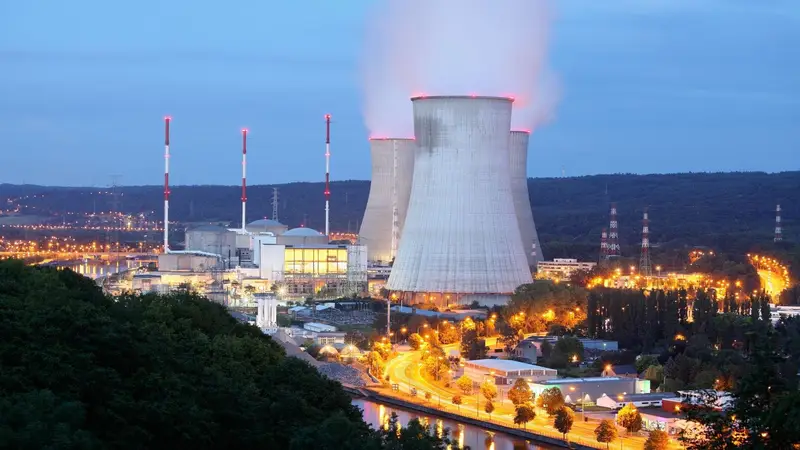
Electrabel needed to improve the management of aging passive structures (civil works, cables, piping) as part of the long-term operations plan for units across two sites (AMP, AMR, AME, Maintenance Plan). The operator aimed to extend the service life of approximately fifty existing buildings—including reactor buildings, electrical facilities, storage buildings, cooling towers, and technical galleries—for an additional 10 years.
Our solution
- 01 Analyze data and map the condition of equipment
- 02 Simulate aging behavior
- 03 Recommend monitoring actions
- 04 Consolidate the knowledge base and support maintenance/inspection processes to manage structural aging
- 05 Identify critical components
What Oxand delivered
Critical component knowledge
Knowledge of critical components
Investment budget justification
Justification of investment budgets
10-year lifespan extension
Extension of the operational lifespan of its facilities by 10 years
Questions about this reference
What did Electrabel set out to do?
To manage the ageing of the passive structures on two sites as part of its long-term operations plan, with the aim of extending the service life of some fifty existing buildings by a further ten years.
What counts as a passive structure?
Civil works, cables and piping: the parts that perform no active function themselves, but whose condition governs whether the installations around them can keep operating.
Which buildings are covered?
Around fifty across the two sites, including reactor buildings, electrical facilities, storage buildings, cooling towers and technical galleries.
How is a ten-year life extension justified?
By analysing the available data and mapping the condition of the equipment, simulating how it behaves as it ages, identifying which components are critical, and recommending the monitoring that keeps the extension defensible over time.
What does the operator hold at the end?
Knowledge of which components are critical, a justification for its investment budgets, and a consolidated knowledge base that feeds its maintenance and inspection processes rather than sitting beside them.